Ear Pinning Surgery in Mobile, Alabama
Surgery to “Pin Back” the Ears
Otoplasty is a common procedure, often called “ear pinning surgery,” that repositions large or protruding ears. This is typically done to stop teasing among children, but it may also be performed for adults with prominent ears.
Here in Mobile, Alabama and the Gulf Coast Region plastic surgeon Randy Proffitt performs otoplasty surgery to pin back protruding ears. Through plastic surgery, he can make your ears appear natural and more proportional.
Who’s the Right Candidate for Otoplasty?
Good candidates for ear-pinning/otoplasty are:
- Children or adults
- With fully-developed ears (typically occurs after age 4)
- Bothered by protruding or prominent ears
Protruding of the ears is common. It can be a very distracting part of your appearance. If you address the problem early with otoplasty, it’s possible to prevent teasing and negative self-image.
Your Ear Surgery Consultation in Mobile
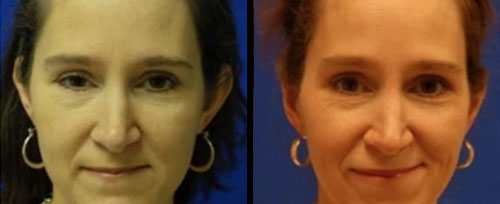
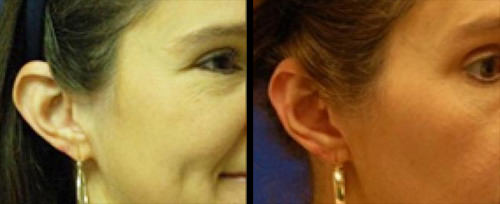
A consultation at our Mobile plastic surgery office is the best opportunity to learn more about otoplasty. Dr. Proffitt can determine if you are a candidate for otoplasty surgery. He can also explain his surgical technique, the risks involved, the cost, and other details of the procedure. You’ll also be able to see otoplasty before and after photos from previous surgeries.
My Surgery
“I would highly recommend Dr Randy Proffitt to anyone who is seeking to have this done. They are an awesome professional staff. The Consultation is very in-debt . He lets you know how things will go from start to finish. No hidden info or fees, surgery date and time on point. I felt very comfortable with him and his staff & the staff @ Providence Hospital that assisted also. I really can’t say enough about him & his staff. All of my follow up visit were very informative & less than 30 mins. I will give them 10 (????) thumbs up. Look him up, call him, you won’t go wrong. By: JL”
READ MORE REVIEWS
Insurance Coverage
Many times insurance may cover otoplasty in children. Dr. Proffitt can submit photos along with a letter to your insurance company to see if your child meets their criteria for coverage.
What to Expect During Ear Pinning Surgery
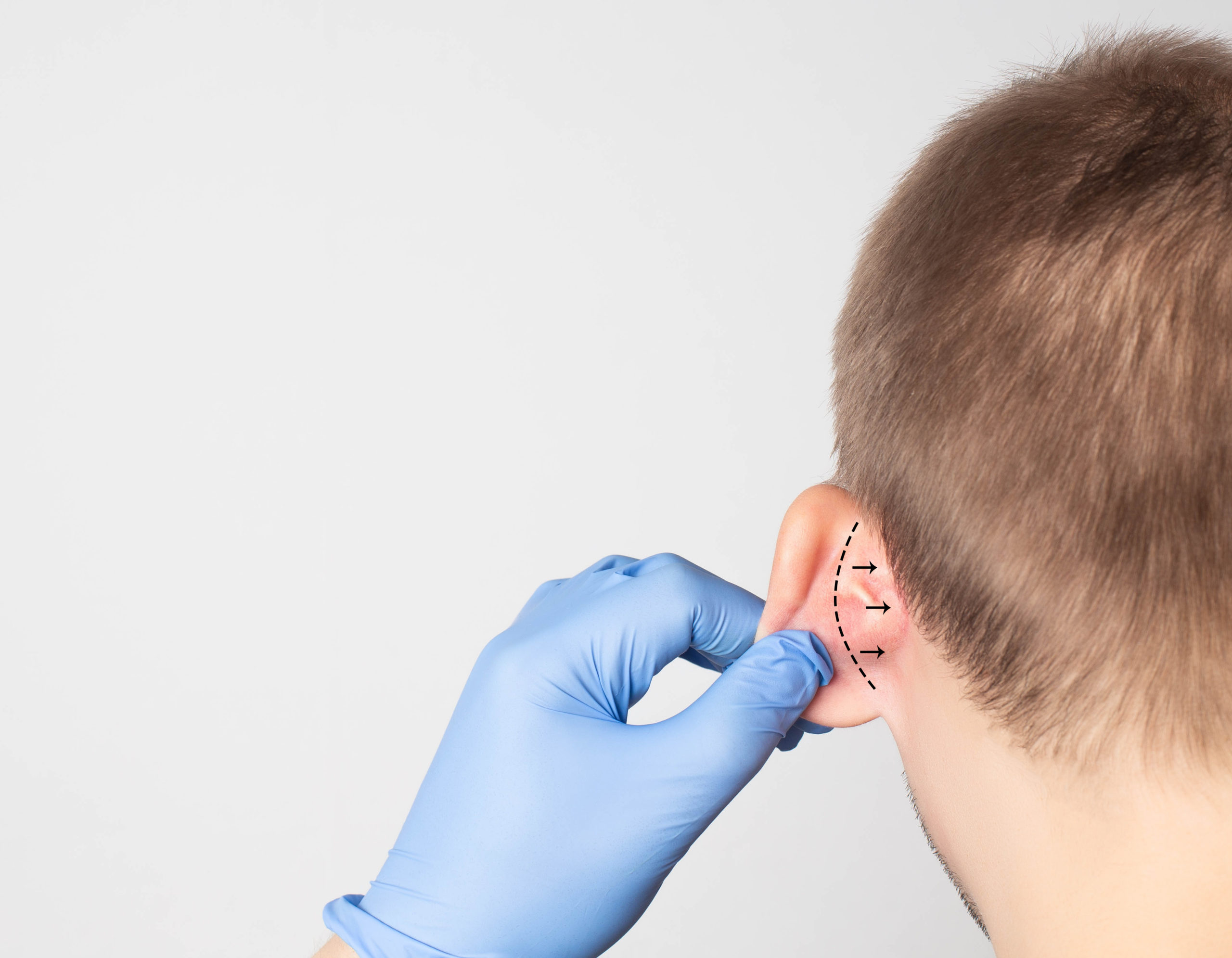
When repositioning the ears, Dr. Proffitt makes an incision behind the ear to expose the cartilage. The cartilage is remodeled or folded as needed, and the new ear shape is secured with stitches. Cartilage may also be removed to give the ear a natural-looking fold. The patient’s ears will appear closer to the head and more proportional.
Local or general anesthesia can be used during otoplasty. Children often receive a general anesthetic to sleep through the two to three-hour-long procedure. Adolescents and adults often receive local anesthesia in combination with a sedative, so they remain awake during the procedure. After the otoplasty is complete, the ears are positioned closer to the head. The patient will need to protect them during recovery.
After Ear Surgery in Mobile
After ear surgery, Dr. Proffitt may advise you to limit activities that could bend or move the ears. Bandages are secured around the head to hold the ears in their new position. They are usually swapped for a light head dressing after a few days.
Recovery time is usually one week or shorter. Children can often return to school after one week, and adults may return to work within five days. Be sure to consult with Dr. Proffitt for details specific to your otoplasty. Results will be immediately evident after the bandages are removed.
More about the Ear Pinning procedure by Dr. Randy Proffitt

Otoplasty or ear pinning is the procedure that reduces protruding ears. It is an underutilized procedure. Who is a good candidate for otoplasty? Someone who feels that their ears “stick out” is a good candidate. For children, the best time to “fix” a child’s ears is before they start school. Often this is the time when other children start to make fun of someone with protruding ears and hurtful name-calling is the result. You can prevent those taunting remarks by having the surgery before a child starts school. Typically this is around age 5. The child is safely anesthetized and the procedure takes anywhere from 1 to 1-1/2 hours to do. In general, sutures are all absorbable and the child has a dressing applied over the ears which I leave in place for approximately 5 days, after which the dressing is removed and the child can shampoo his or her hair and around the ears. I like to have the child wear an elastic headband over the ears at nighttime for one month so that they do not catch it on the edge of a pillow. There is some swelling, which will obscure some of the contours of the ear but usually resolves within several weeks. Certainly, ears can also be fixed later on in life, but generally after about age 9 or 10, depending on the person; it can be done under local sedation.

As far as the techniques, it depends on the anatomy of the ears causing the prominence. Most often sutures are placed underneath the skin to hold the ear cartilage in its new position. Sometimes the earlobe, which is not made up of cartilage but is soft tissue, has to be addressed as well.
Adults who have this procedure are usually very pleased and wished they had done the surgery sooner. It often puts to end years of self-esteem issues that resulted from taunting and name calling in childhood.
For children who are a candidate, insurance may cover the expense of the surgery. Insurance companies will consider the surgery for coverage if the prominence of the child’s ears is beginning to cause social problems or school issues. This requires a letter to the insurance company along with photographs and specific measurements of the ear to see if they qualify. In general, once a person reaches adult age, insurance companies will not cover this surgery.
If you’re ready to learn more about otoplasty/ear pinning surgery in Mobile, Alabama and the Gulf Coast Region contact the office of board-certified plastic surgeon Randy Proffitt. To reach our staff, please call 251-344-0322 or send an email using the online form. View a map of our plastic surgery office at 6317 Piccadilly Square, Mobile, Alabama and the Gulf Coast Region 36609.
How Much Does Ear Pinning Surgery Cost?
The overall cost of an ear pinning surgery is affected by anesthesia fees, hospital fees, post-surgery garments, and medications. Price is also impacted by medical tests, surgeon’s fees, and the exact techniques employed.
FAQs about Ear Pinning Surgery
After ear pinning surgery, patients are typically advised to sleep on their back with the head elevated to avoid pressure on the ears. An elastic headband is often worn at night for several weeks to protect the ears while sleeping.
The ears usually look noticeably improved as soon as the bandages are removed, though swelling may temporarily affect their appearance. Most swelling resolves within a few weeks, allowing the ears to look more natural.
The cost of otoplasty varies based on factors such as anesthesia, surgical facility fees, and the specific techniques used. A consultation is the best way to receive an accurate cost estimate, and insurance may cover the procedure for children in some cases.
Ear pinning surgery in Mobile, Alabama and the Gulf Coast Region is commonly performed once the ears are fully developed, usually around age 4 or 5. Many families choose to have the procedure done before a child starts school, though otoplasty is also effective for teens and adults.
Schedule an Ear Pinning Surgery Consultation
Interested in learning more about ear pinning surgery in Mobile, Alabama and the Gulf Coast Region? Contact Dr. Randy Proffitt today to schedule an appointment. We look forward to offering compassionate treatment and excellent cosmetic plastic surgery solutions.
Related Posts
Earlobe Repair Nips and Tucks Stretched, Drooping EarsThe American Society of Plastic Surgeons released their annual statistics report last week, and it shows that Americans chose 1.6 million procedures last year… Read More
View More
Related Links